
White-label banking: Defining BM Technologies NextGen UI system
- UX DESIGN
- UI DESIGN
- BRANDING
- DESIGN SYSTEMS
- WHITE LABEL
The Challenge
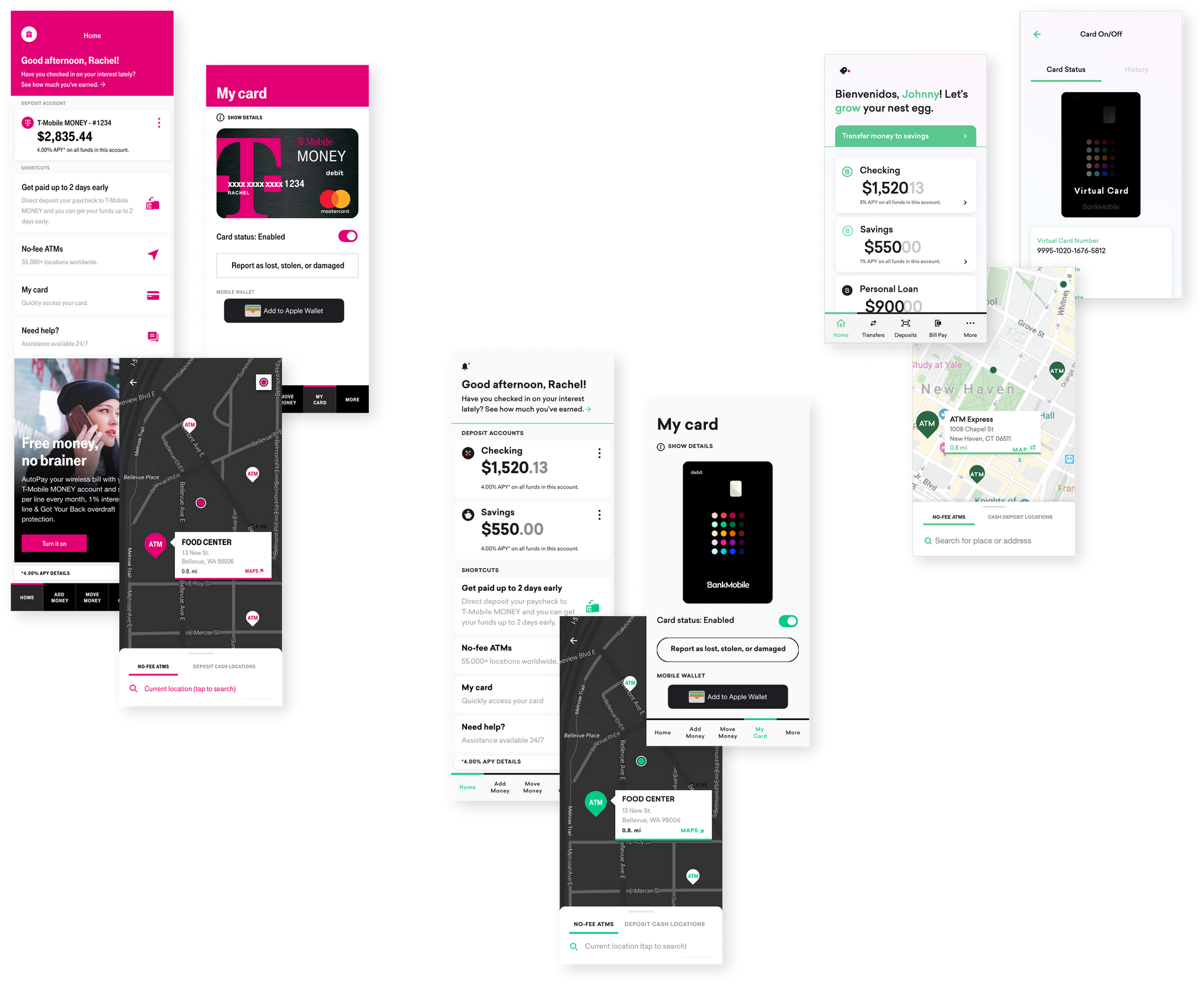
I worked on a number of different banking products while at BMTx. However despite being a B2B2C company with a focus on white-label offerings, we did not have a single enterprise platform that we could launch rapidly and at scale.
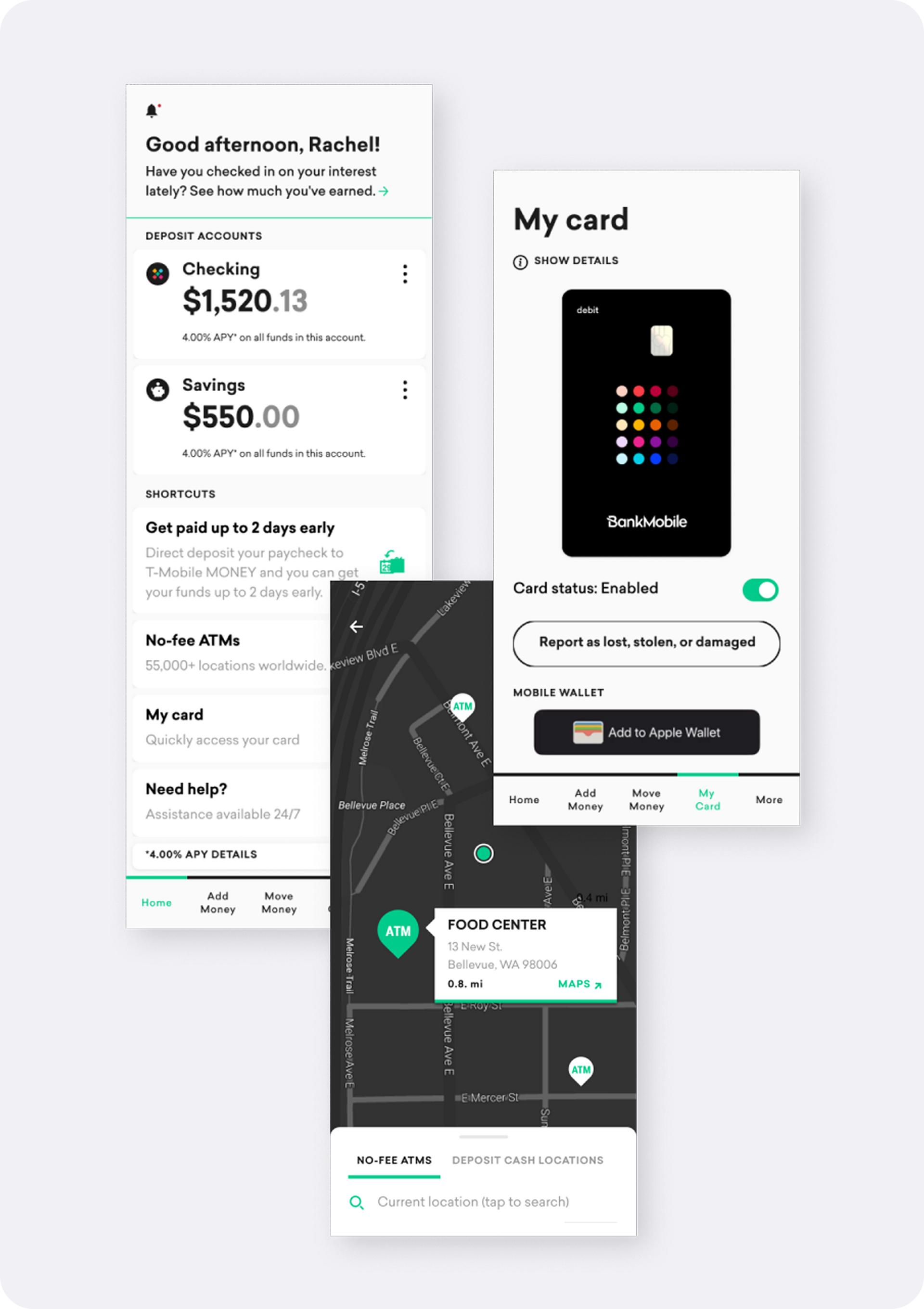
With each platform having a separate architecture, plus different business and technical requirements I was asked to create a single UI and product architecture that could unify the requirements of these different products, as well as create the support for future clients to have near complete control over the product functionality and styles.
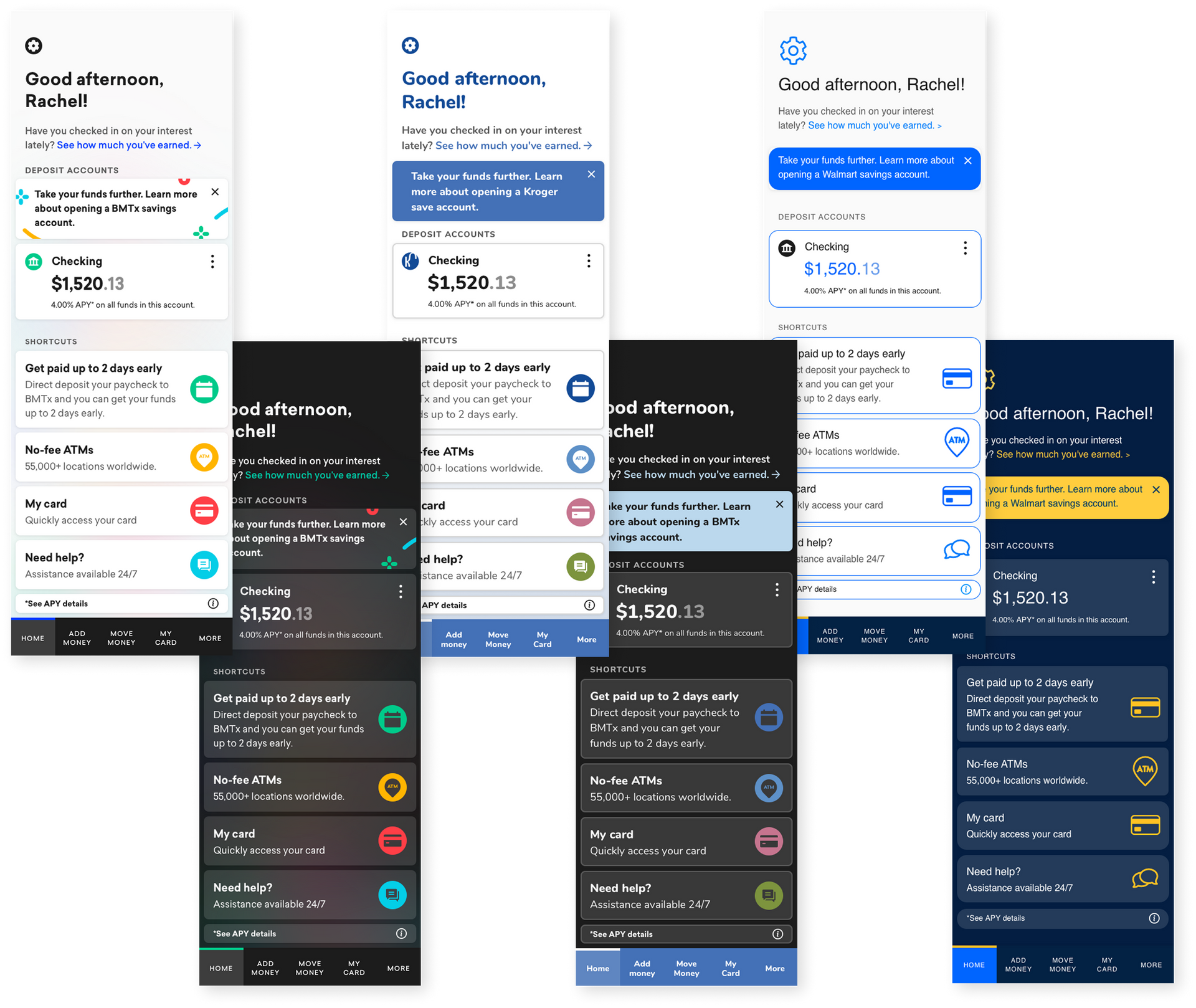
To create a single system upon which all our current and future products would be supported, we decided to create a full “unbranded” brand identity in which we could document and refine all of this new systems states and capabilities. This was critical in ensuring that we developed a component and documentation system that could support a variety of different brands within it, as well in-application theming for different system UIs such as light mode and dark mode.
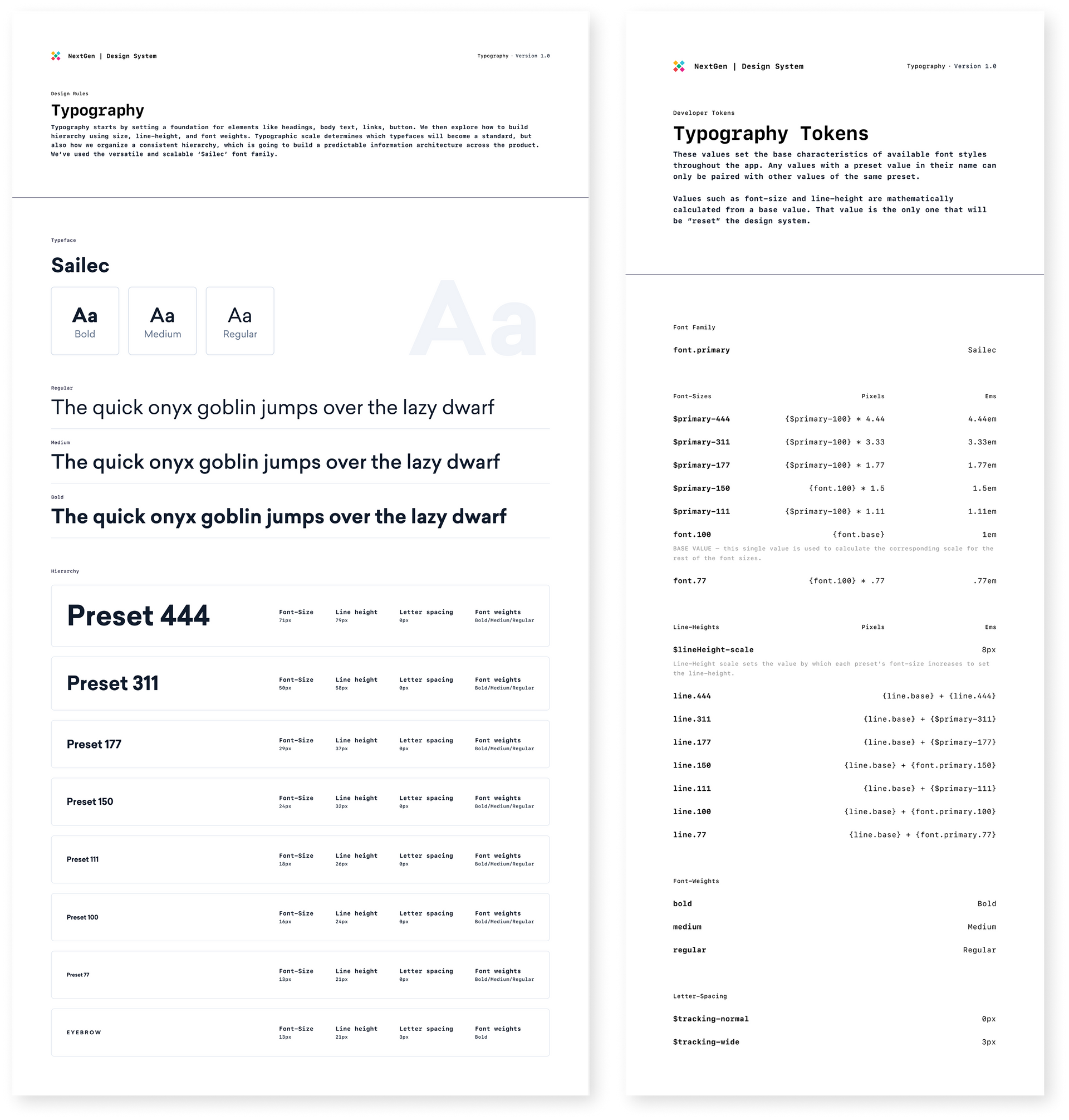
In coordination with our development team, we developed a two-level system of tokens. First are the Partner Tokens, a separate sheet of attributes that clients could input the values for their unique skin and control the apps entire look and feel. Platform Tokens subsequently assign the Partner Tokens to the variables that will then be used throughout the actual style sheets. This means that when a Partner Token is updated, it automatically ripples through the rest of the style sheets.
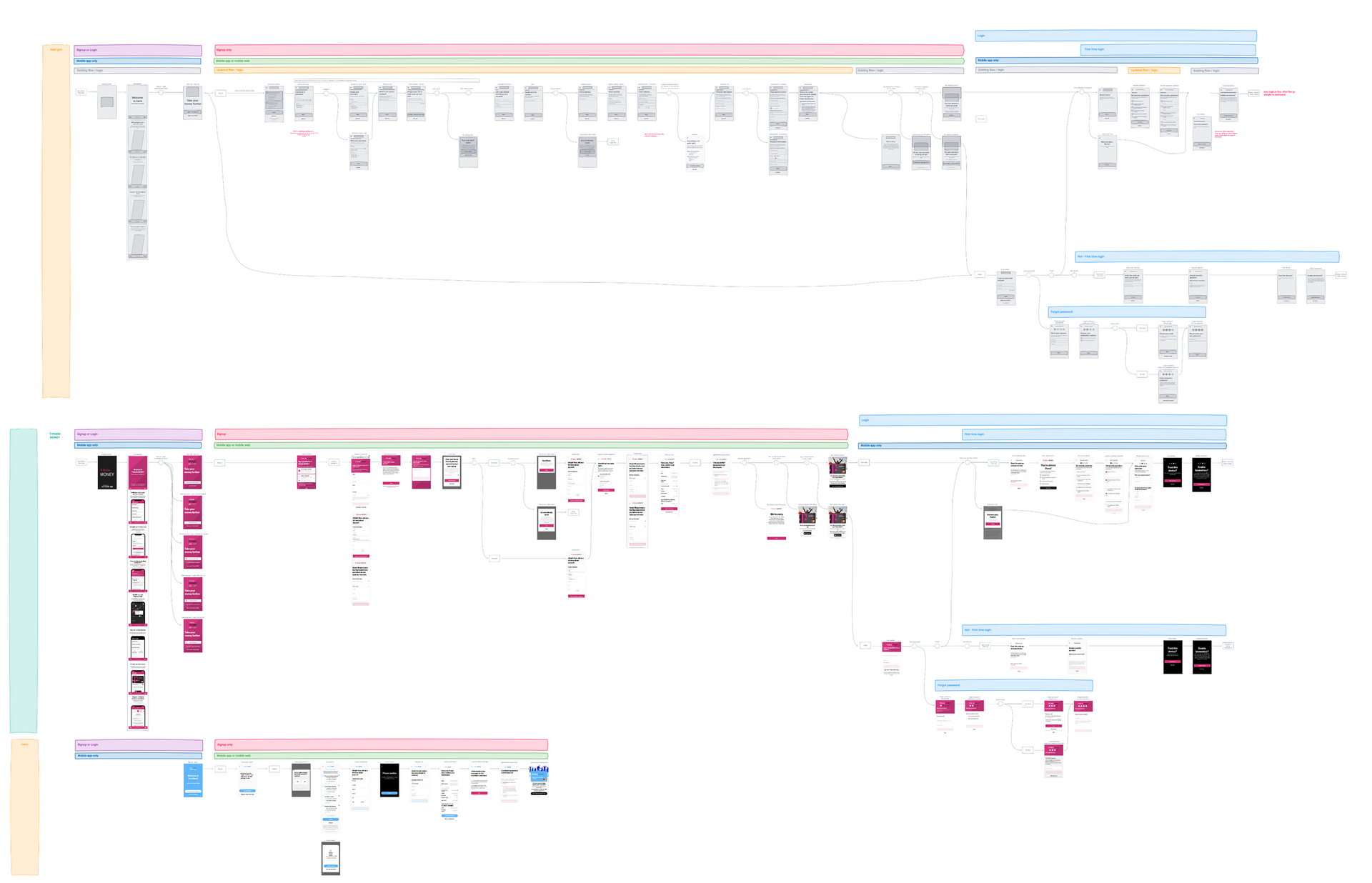
After the NextGen Components and Design System foundation was in place, I began to build out the base product requirements. Working across multiple separate business and development teams I was responsible for documenting the product requirements and user flows for each different application — unifying the experiences when possible, and documenting branches in logic and experience when it wasn't. This required an extensive level of logic and user flow docmenting, combining business and technical requirements across different product lines into a single logic system.
In additional stress tests, and demonstrations of the platforms viability to leadership, I pulled the brand standards for two other consumer retail brands we were in talks to about building a custom financial platform with. I used each brands standard to create a themed version as a representation of how distinctly unique each UI would be able to look. These concepts were able to be generated almost instantly — on both the design and development side.